




Begin where the city moves
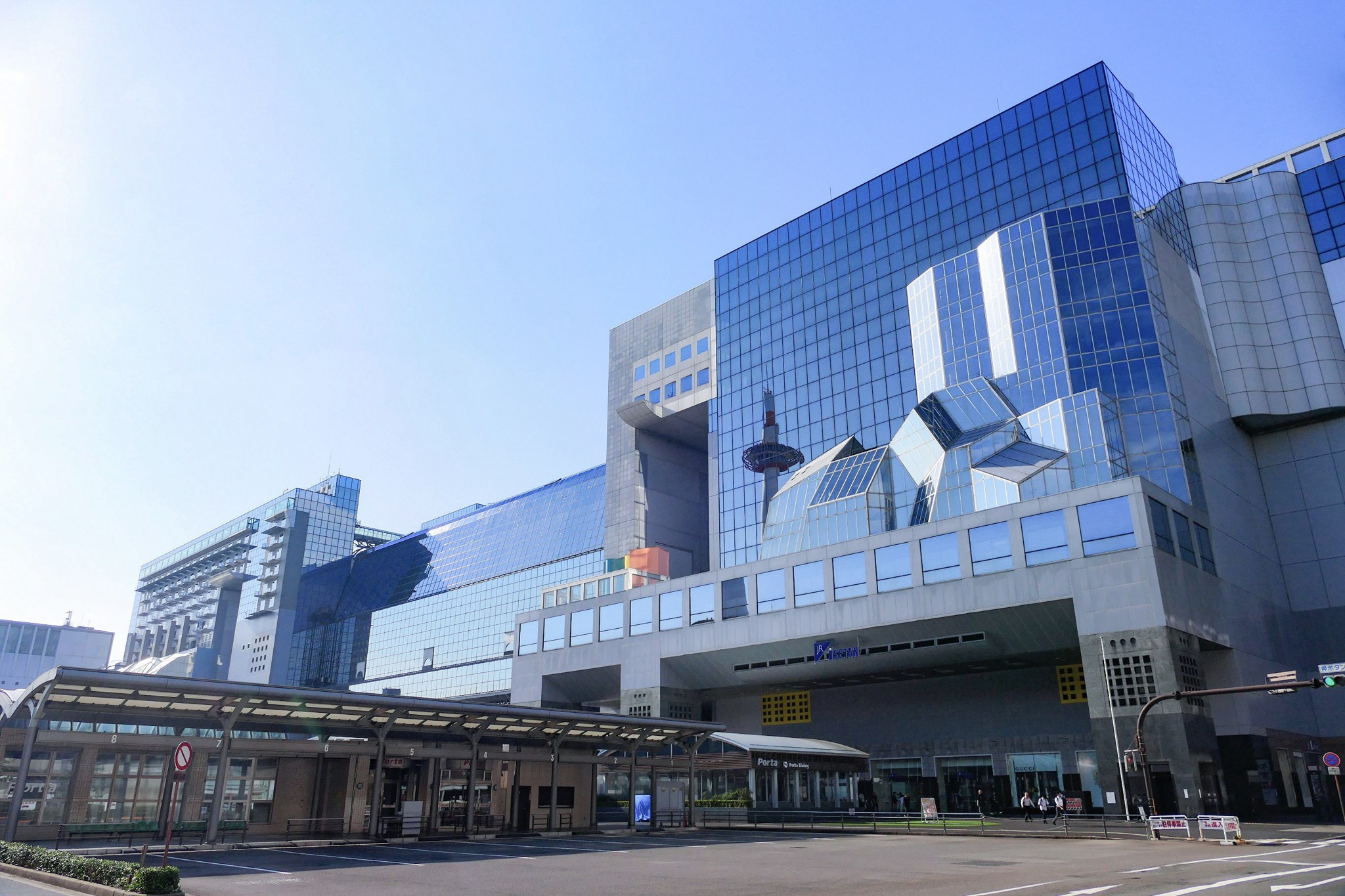
A visit to Kyoto does not have to begin with its most famous temple. It can start at the station, where arrivals, commuters and everyday errands share the same space. The transition from a busy transport hub to a quieter walk is part of understanding the city, rather than time to be rushed through.
Make the first decision a modest one: choose an area to explore and enough time to stay with it. Avoid treating distant sights as neighbouring stops on a checklist. A morning spent noticing how public space is used can reveal more than a day organised entirely around queues.
Give the palace setting its own time
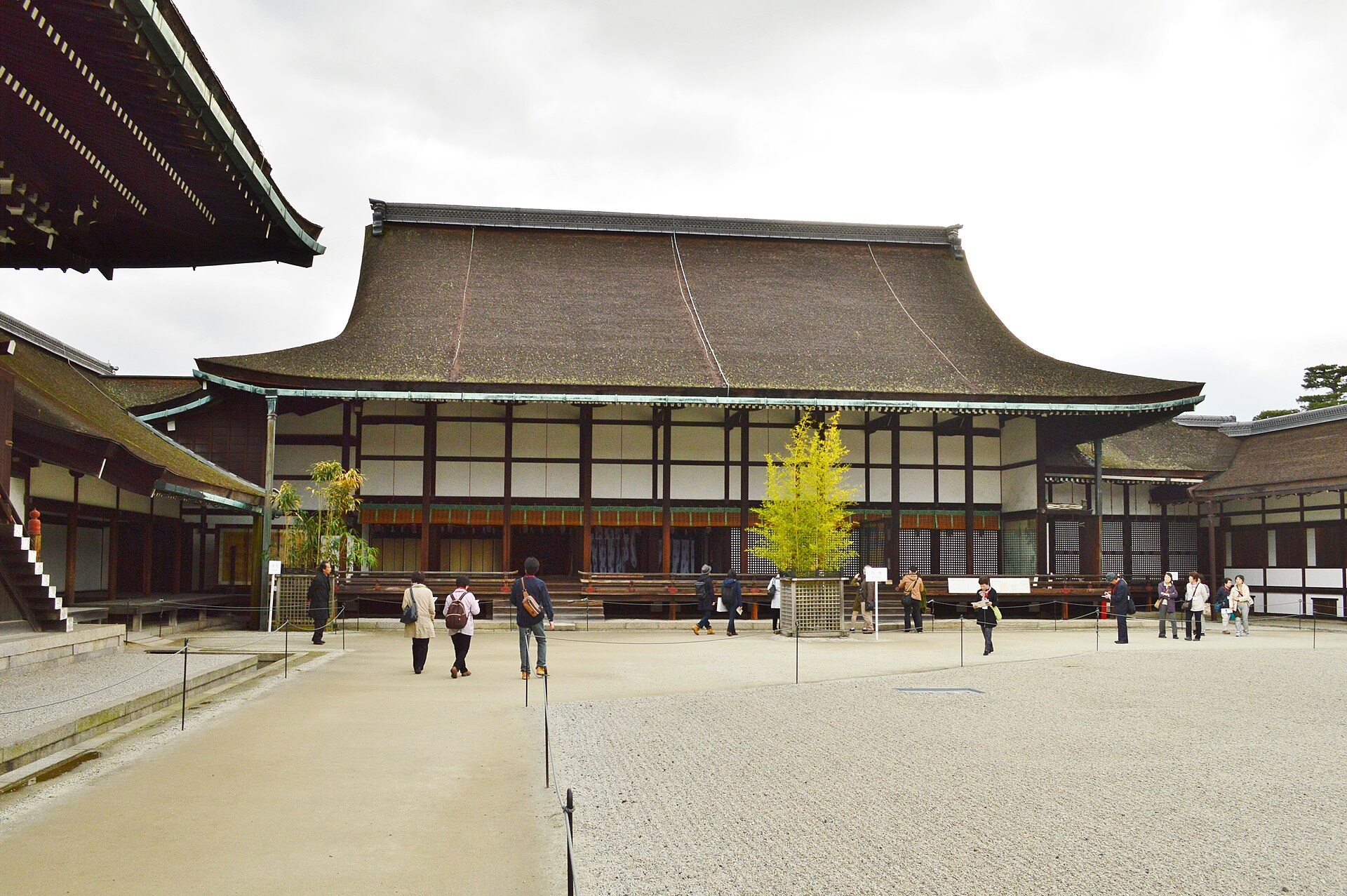
The Kyoto Imperial Palace and the surrounding Kyoto Gyoen area offer a different scale from the station. Buildings, open ground and long sightlines invite a slower look. Keep the palace itself and the wider garden setting distinct when planning a visit; access arrangements are not interchangeable.
Kyoto’s official travel guide recommends rail connections and walking for this area, including the Karasuma subway line towards Imadegawa. Use current official guidance to choose an entrance and check palace visiting arrangements separately. A practical route makes room for observation instead of turning the journey into an unnecessary rush.
Find a pause beside the Kamogawa
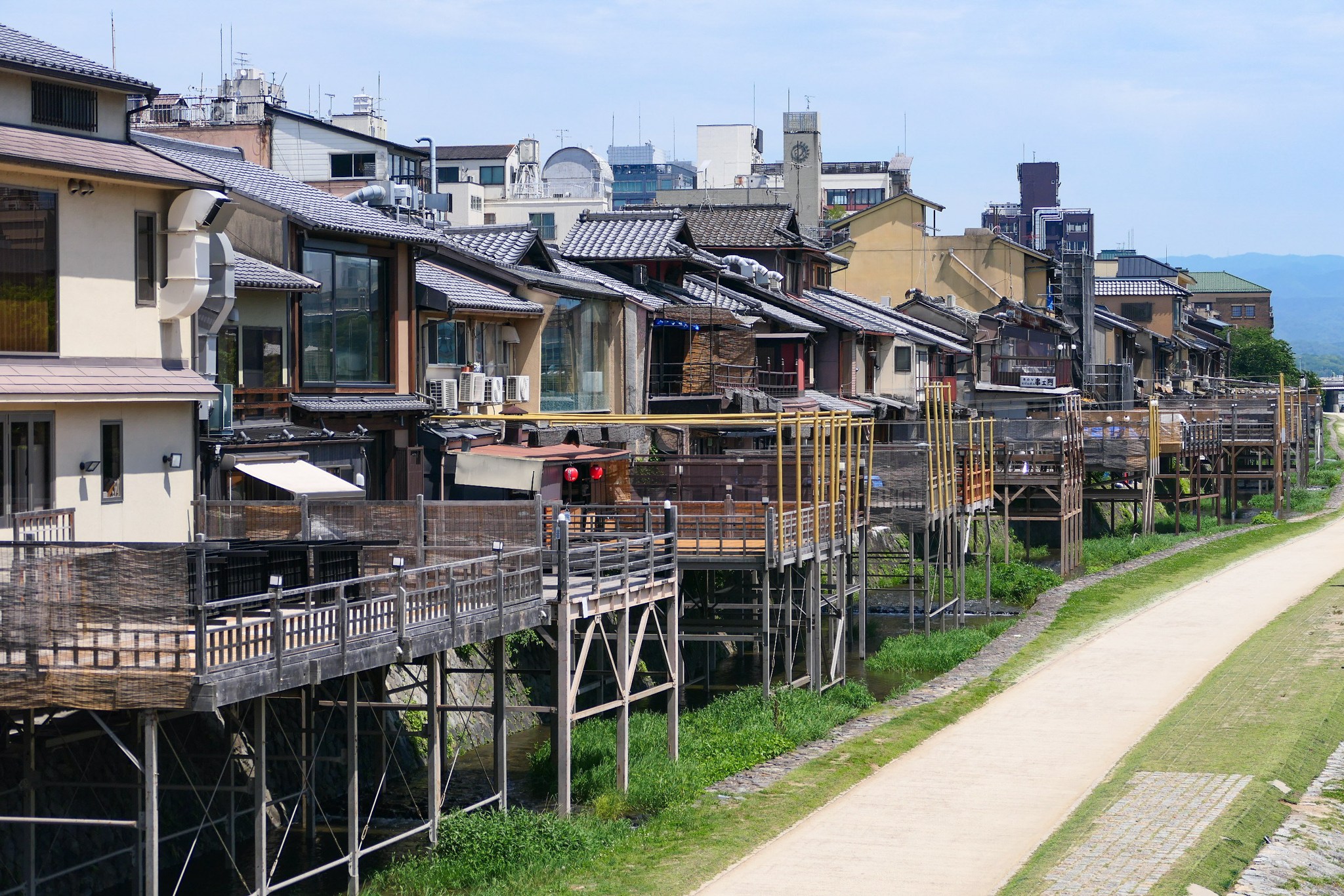
The river brings another kind of Kyoto into view. The city’s tourism guide describes the Kamogawa as a favourite place for residents and a setting that changes with the season and time of day. A riverside pause can be a destination in its own right, with no obligation to add another attraction immediately afterwards.
Watch from a public path, leave room for walkers and runners, and choose a place to stop that does not interrupt movement. Some visits are best remembered through small changes: the sound of traffic becoming distant, the surface of the water, or a different view after crossing a bridge. Follow local signs and stay away from low river paths when conditions make them unsuitable.
Courtesy is part of the experience
Everyday culture is not a performance arranged for a visitor. Residential streets, shops and sacred places each have their own expectations. Observe before entering, follow posted restrictions and ask before photographing people closely. Quiet attention usually offers a better understanding than an attempt to capture everything.
For a simple day, combine one clearly chosen destination with time in a shared public space and an unhurried meal. Confirm transport and entry details near your visit, and adjust for weather rather than insisting on the original plan. Kyoto becomes more legible when the traveller’s pace leaves space for the city’s own.
Sources & planning
Kyoto Imperial Palace / Shimogamo access — Kyoto Travel · Kamogawa River — Kyoto Travel · Destinations and local etiquette — Kyoto Travel