




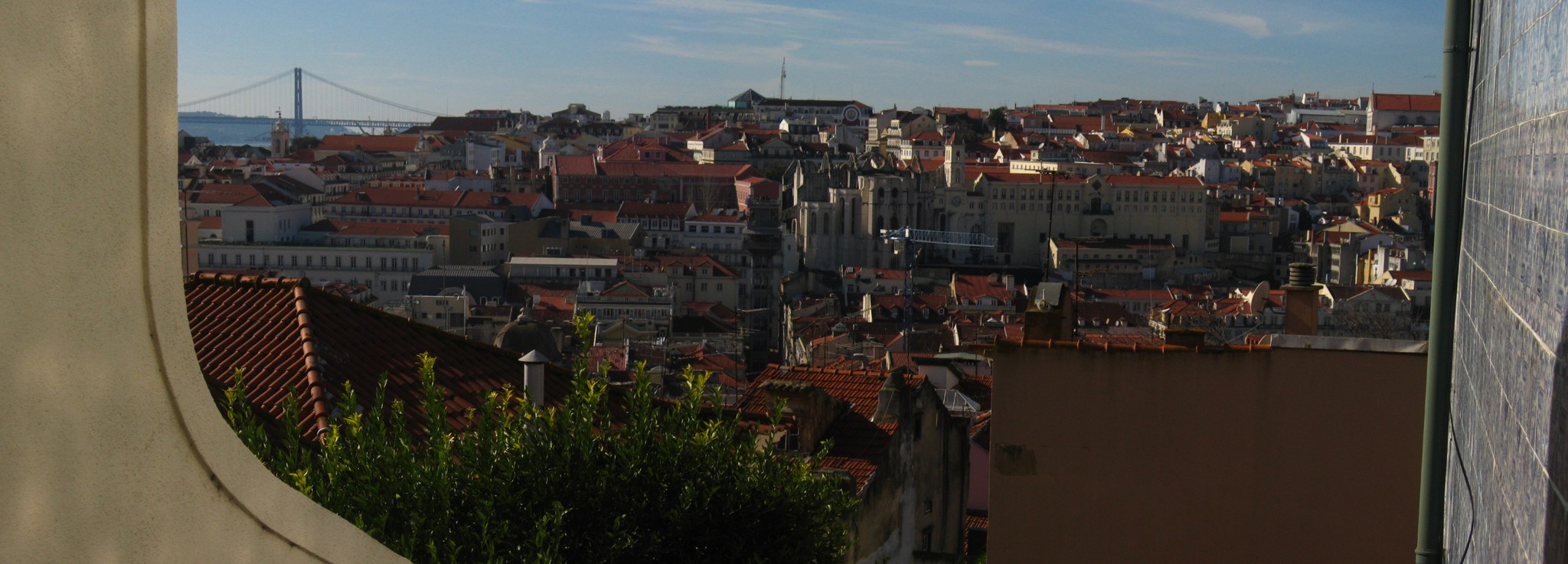

Cover Photo: milos milosevic · CC BY 3.0 (resized).
Start with the shape of the hill
Lisbon becomes more interesting when the view stops being the whole point. In Alfama, a staircase can turn a familiar skyline into a close study of stone, tile and shade. The neighbourhood invites a different kind of itinerary: a handful of landmarks, with enough time between them to notice how the streets connect.
Begin near the Sé and work uphill rather than racing between photo stops. Lisbon’s official tourism guide describes Alfama as one of the capital’s oldest districts, with narrow cobbled streets and demanding inclines. This is a walk to adapt to your energy, the weather and the space around you. Comfortable shoes matter more than an ambitious list.
A viewpoint that tells two stories
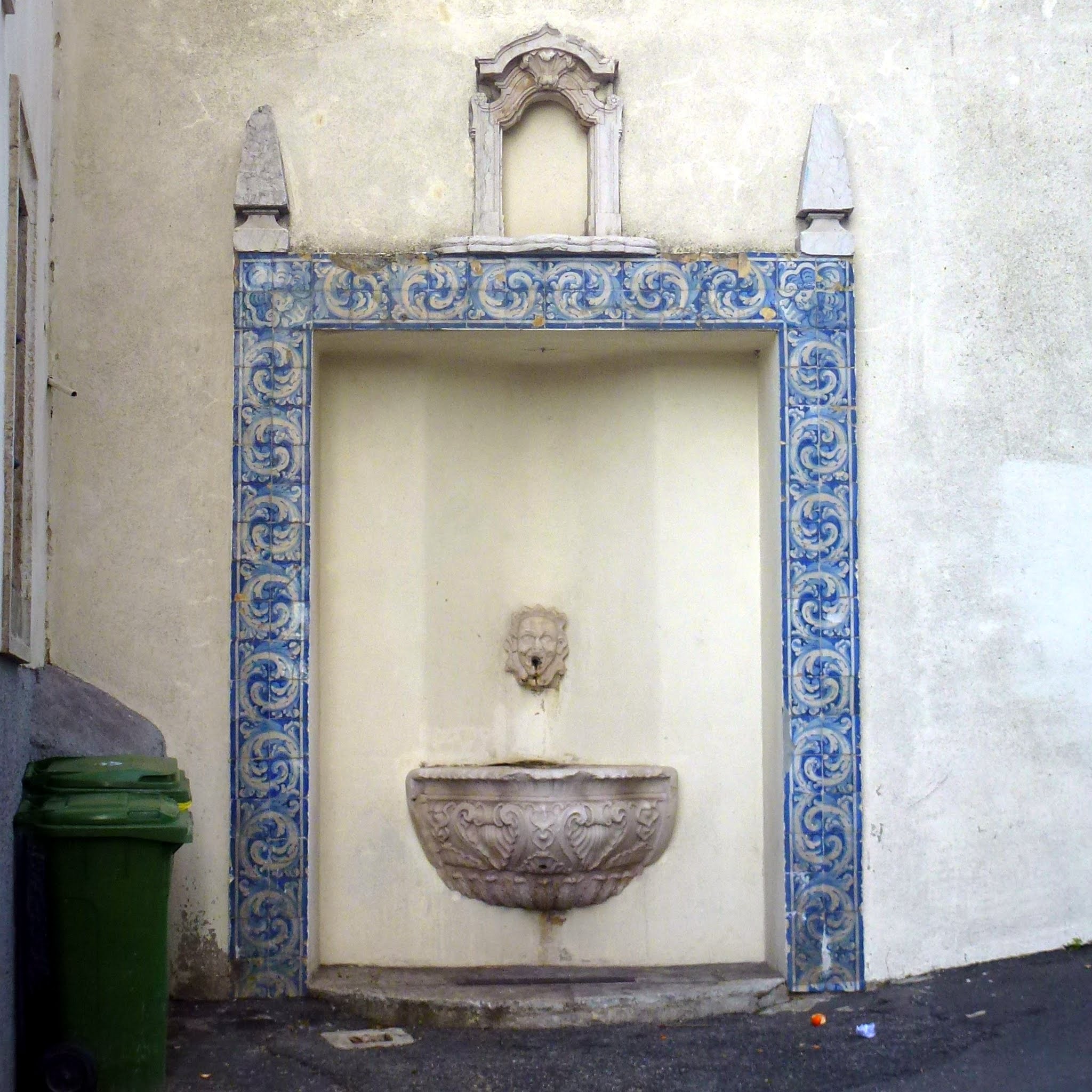
At the Miradouro de Santa Luzia, look first across the rooftops towards the Tagus, then turn back to the terrace itself. Its decorative tile panels introduce another layer of the city: historical scenes presented through a medium that belongs to Lisbon’s everyday visual language.
The official visitor guide identifies panels by António Quaresma depicting Praça do Comércio before the earthquake and the capture of São Jorge Castle. A panorama shows where you are; these panels suggest how the city remembers itself. Read the scene before reaching for the camera, and leave room at the railing for others.

Let the lanes change the pace
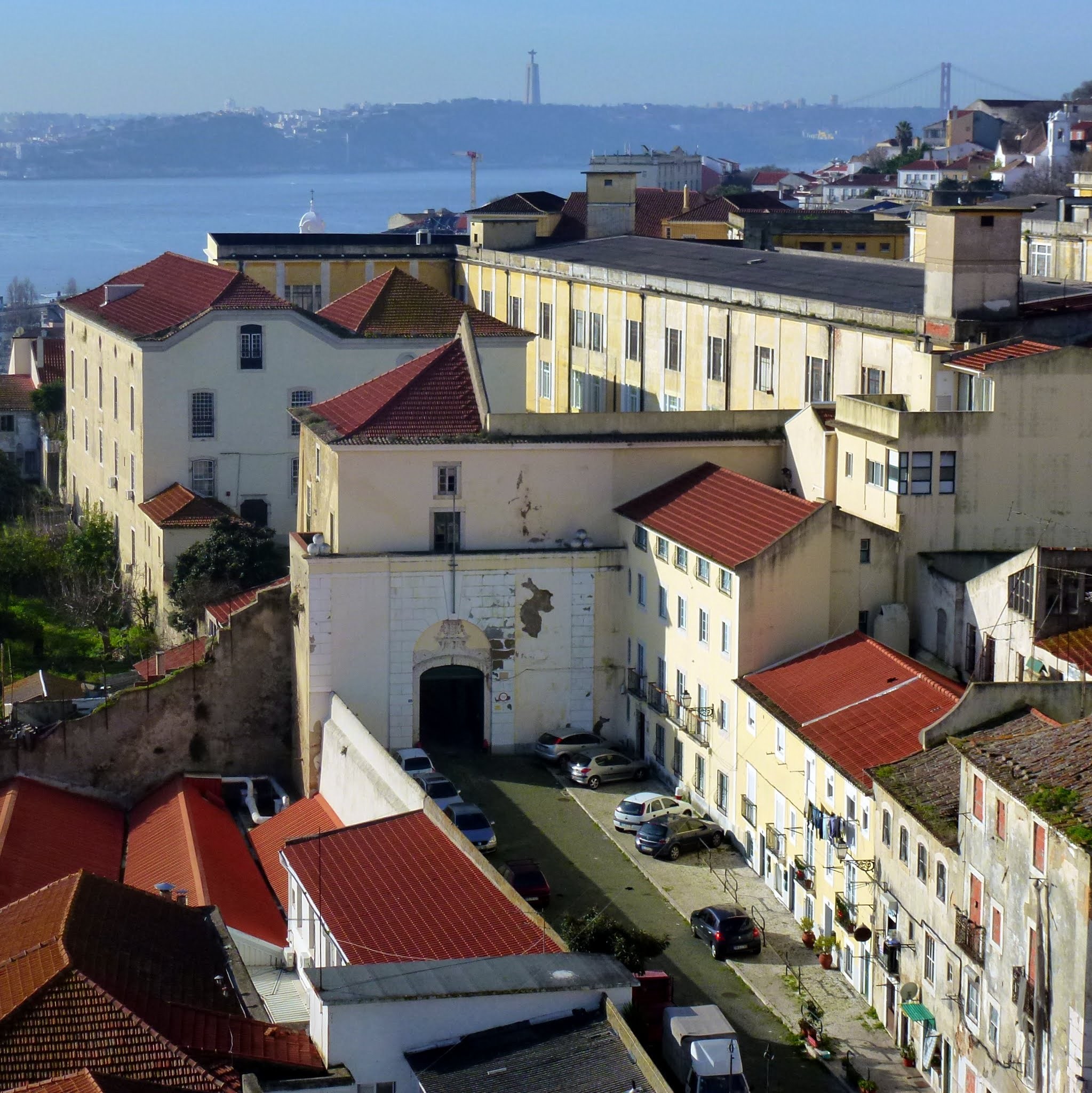
From a broad lookout, return to the smaller scale of the streets. A doorway, a bend in the lane or the contrast between sunlit plaster and deep shade can become a more lasting memory than another wide photograph. Notice details from public paths without treating homes as exhibits.
Alfama is also associated with fado. If music is part of your visit, choose a venue thoughtfully, check its programme and give the performance your attention. A song is not simply background sound for a meal or a video. The same care applies outside: keep voices low in residential lanes and ask before photographing people.
.jpg)
A route with room to breathe
A gentle plan connects the cathedral area, Santa Luzia and Portas do Sol, adding the castle only if time and energy allow. Stops need not be evenly spaced. Pause when the climb becomes tiring, take a seat in a café and let the next decision follow from where you actually are.
Check current opening arrangements before entering churches or ticketed sites. Steep gradients and uneven paving make this different from a level riverside stroll; visitors who need a step-free route should plan individual stops rather than assume every lane is accessible. The reward of slowing down is simple: Lisbon begins to feel like a place with depth, rather than a sequence of views.
Sources & planning
Alfama — Visit Lisboa · Miradouro de Santa Luzia — Visit Lisboa