


Adventure does not always require a summit. In Arrowtown, a short walk can uncover a history that is easy to overlook when the visit is reduced to a scenic street or a quick photograph. The Chinese Settlement offers a reason to slow down and ask whose experiences shaped the town.
Start with the wider history
Arrowtown’s official history connects the town with gold mining and the people who arrived to seek opportunity. Read that context before reducing the place to a nostalgic image. Historic landscapes can carry experiences of work, migration and exclusion as well as prosperity. Explore Arrowtown’s official history.
Follow the settlement’s interpretation
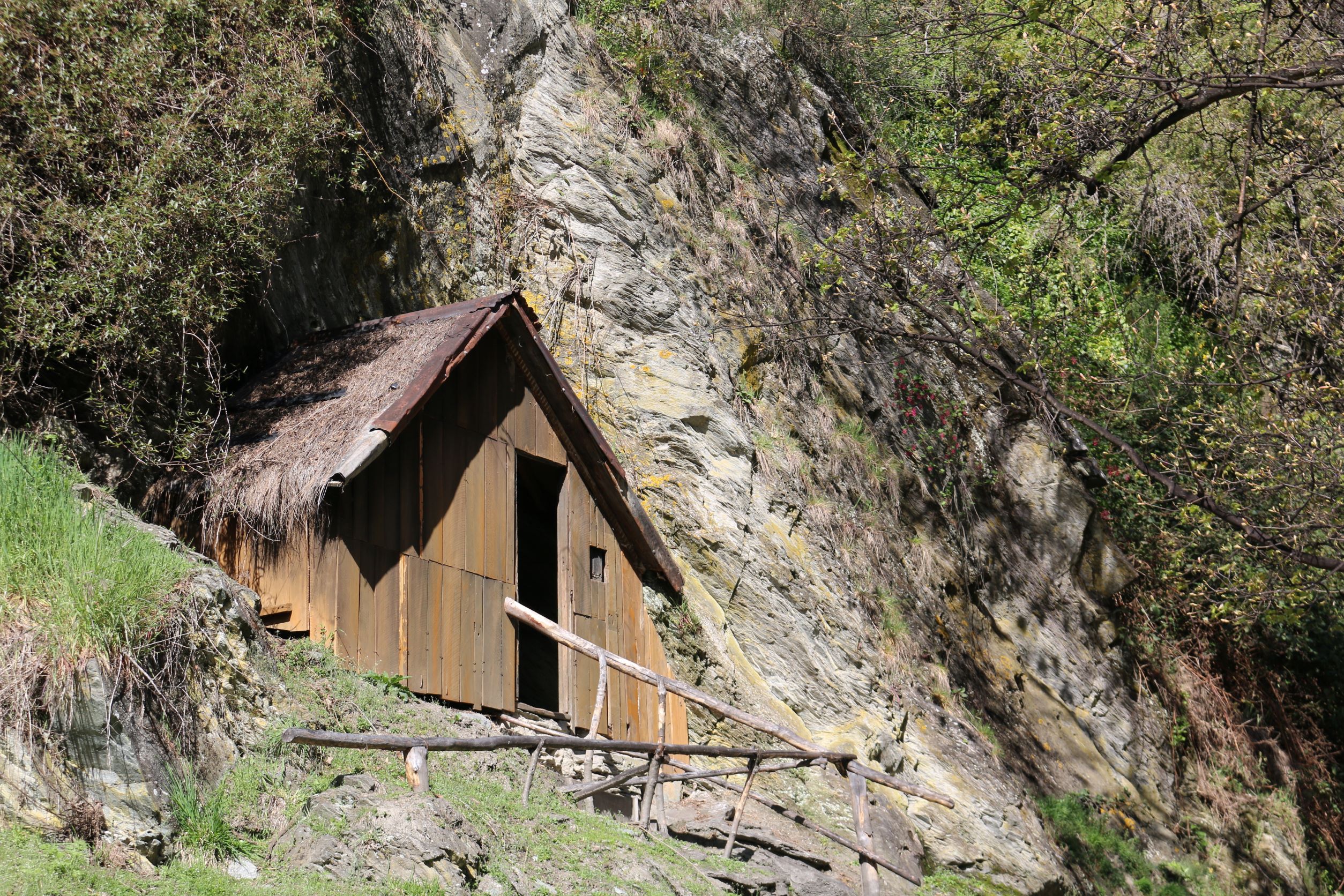
The Department of Conservation describes the Arrowtown Chinese Settlement as a partially restored, interpreted settlement associated with the 1880s. The site is near Bush Creek, close to the top end of Buckingham Street. Interpretation helps explain the lives of the miners and business people, making the walk a place for reading as well as looking. See the Department of Conservation’s visitor information.
Notice the scale of everyday life
Compare a small building with the space around it. Look at the relationship between the creek, paths and settlement, then return to the interpretive material. Questions about shelter, work and community make a modest structure more meaningful than its appearance alone. Resist the temptation to fill gaps in the evidence with a romantic story about the past.
Keep the walk suited to you
DOC distinguishes the main route, suitable for wheelchairs and buggies, from side tracks whose gradients and surfaces are not. Consult its current information and any site notices before choosing your route. The settlement is a short heritage visit, not an alpine expedition; it can be rewarding without adding a more demanding walk.
Carry the questions onward
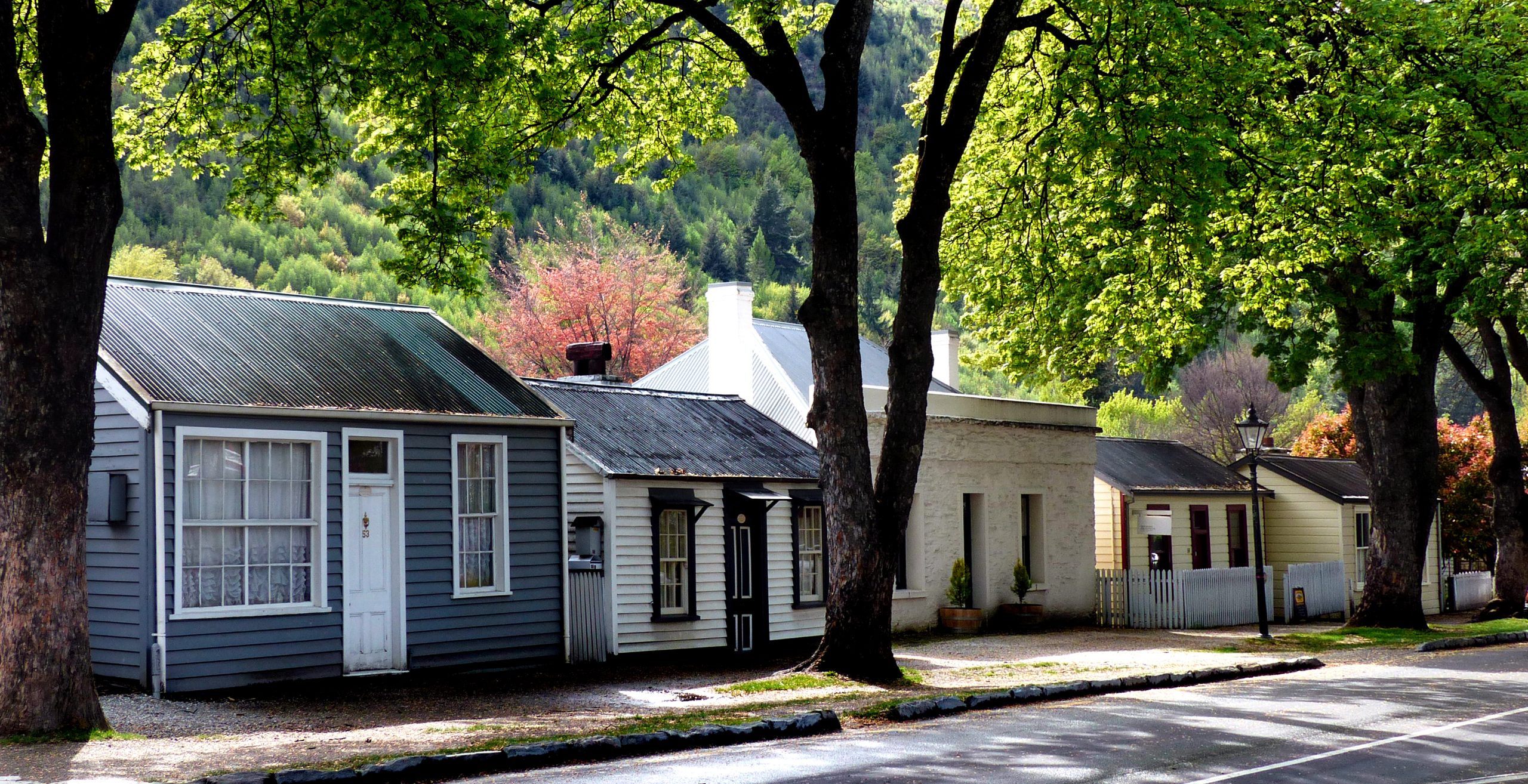
After the settlement, leave room to explore the town at an unhurried pace and compare what you see with the history you have just read. A useful travel notebook might contain one detail, one question and one source to revisit. That is a different kind of souvenir: an understanding that keeps growing after the journey.
Before visiting
Check current DOC access information and choose conditions that suit your mobility. Follow the site’s guidance and treat restored structures as heritage, rather than props.