

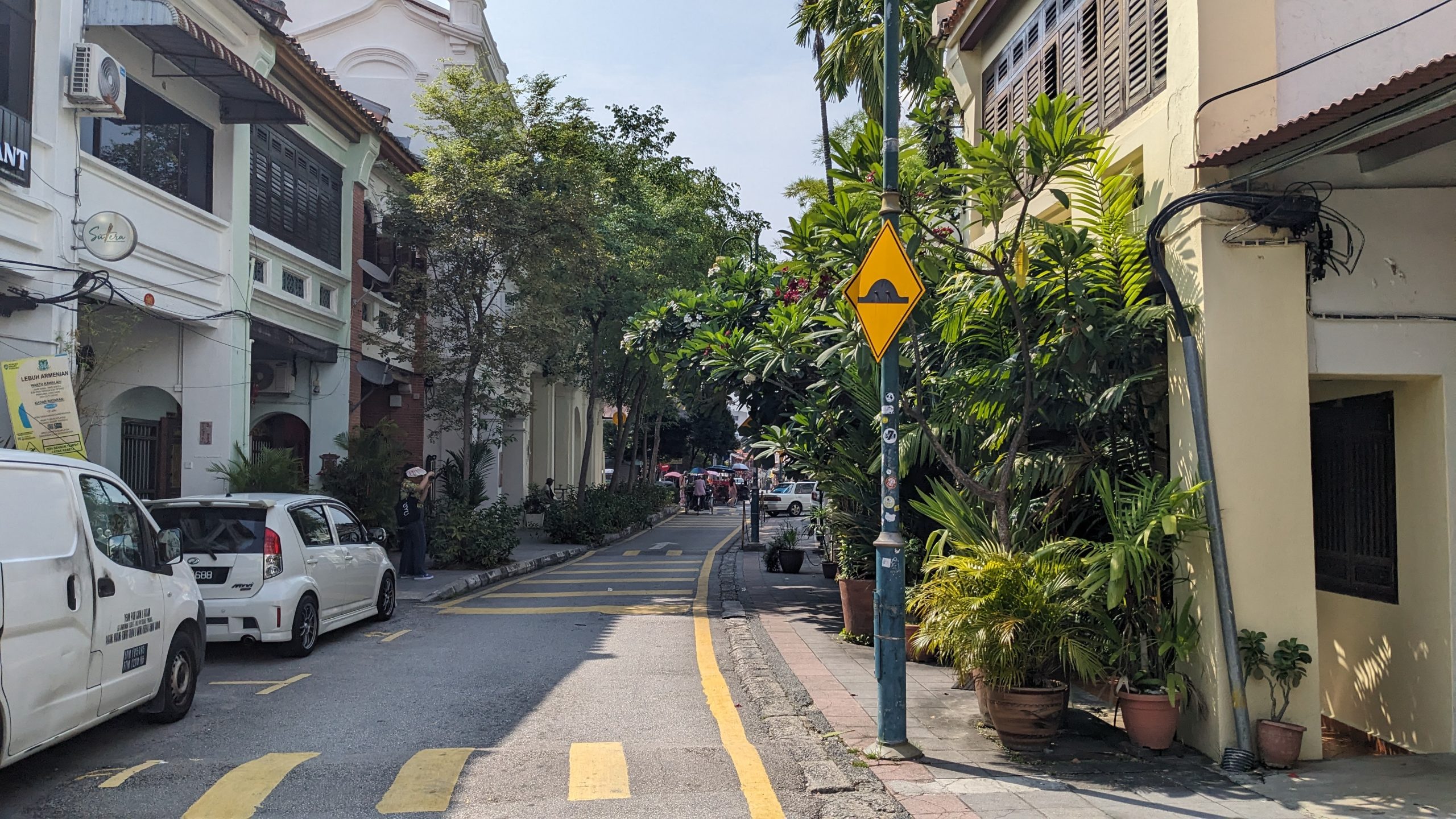

A heritage city can be approached as a collection of buildings. George Town invites a wider reading. Shops, languages, places of worship, food and the rhythms of a working street all belong to the story. The worthwhile question is not simply what has been preserved, but how a place continues to be lived in.
Understand the port-city context
UNESCO recognises Melaka and George Town together as historic trading cities shaped by exchanges between Asia and Europe. George Town’s built heritage reflects the British period from the late eighteenth century, while the broader World Heritage account emphasises the living multicultural traditions that developed through those exchanges. Architecture and daily life need to be read together. Read the World Heritage account.
Begin with interpretation
George Town World Heritage Incorporated works with buildings, people, objects and places, and supports education about both tangible and intangible heritage. Its resources are a useful starting point for understanding what a walk through the historic city is showing you. Consult the organisation’s current information rather than treating a photograph or a short caption as the full history of a community. Explore the official heritage organisation.
Look beyond the facade
As you walk, notice how a building meets the street: shade, entrances, signs, thresholds and spaces for work. A row of shophouses can be visually striking, but it also raises questions about trade, family life and changing uses. Look without assuming that every open doorway is a visitor attraction. Private homes and active businesses are part of the city’s continuity.
Make an encounter more thoughtful
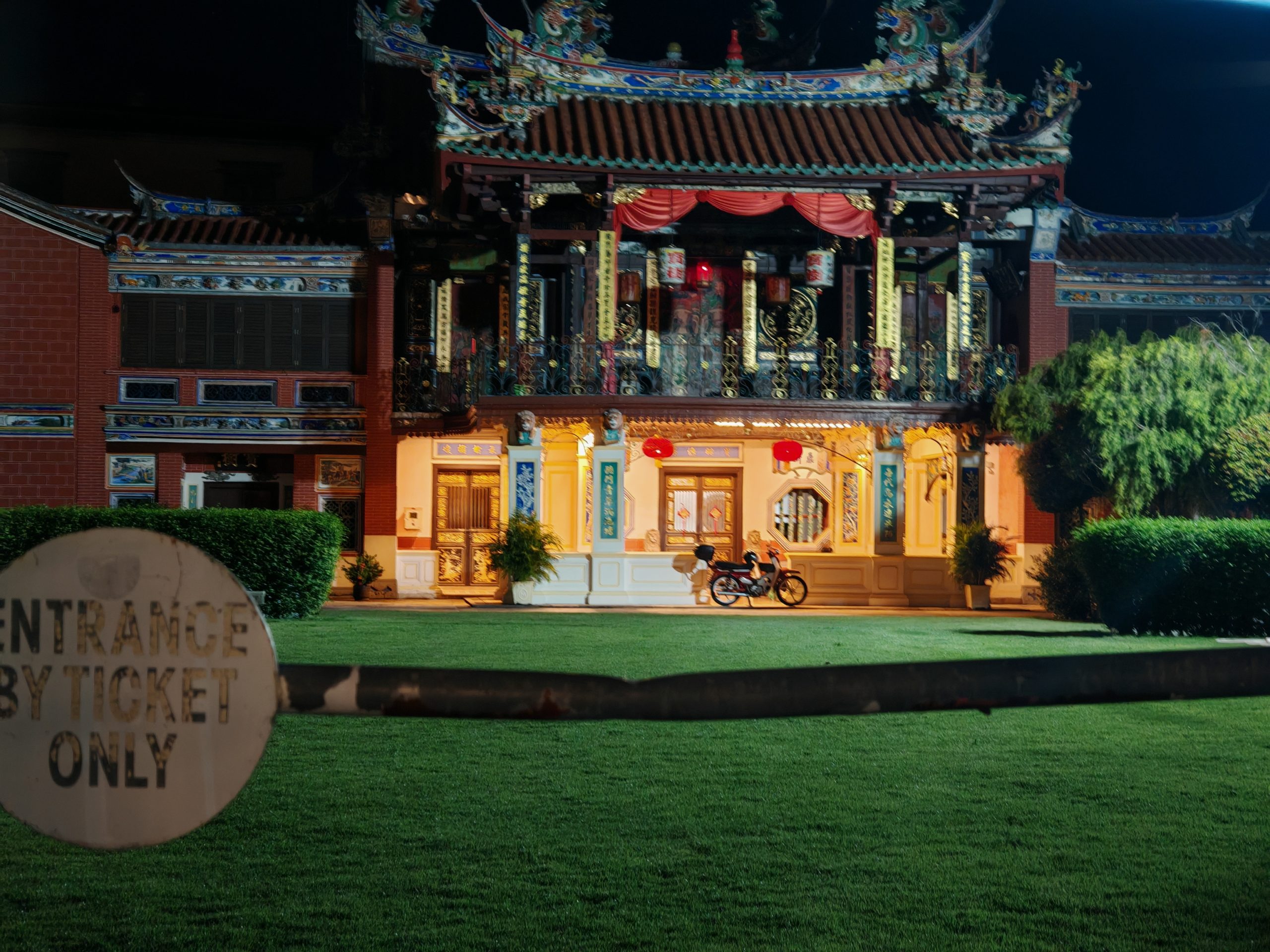
A food stop or a visit to a craft business can become a chance to learn, provided the people involved want to share. Ask a short, respectful question, listen to the answer and accept when somebody is busy. Avoid turning one conversation into a claim about an entire culture. If you want a photograph, ask first and make room for the person to say no.
Leave space in the day
Plan a walk with pauses for shade, reading and reflection instead of a fixed race between landmarks. Select locally led interpretation when available and appropriate to your interests. Use current official information for opening times and access.