

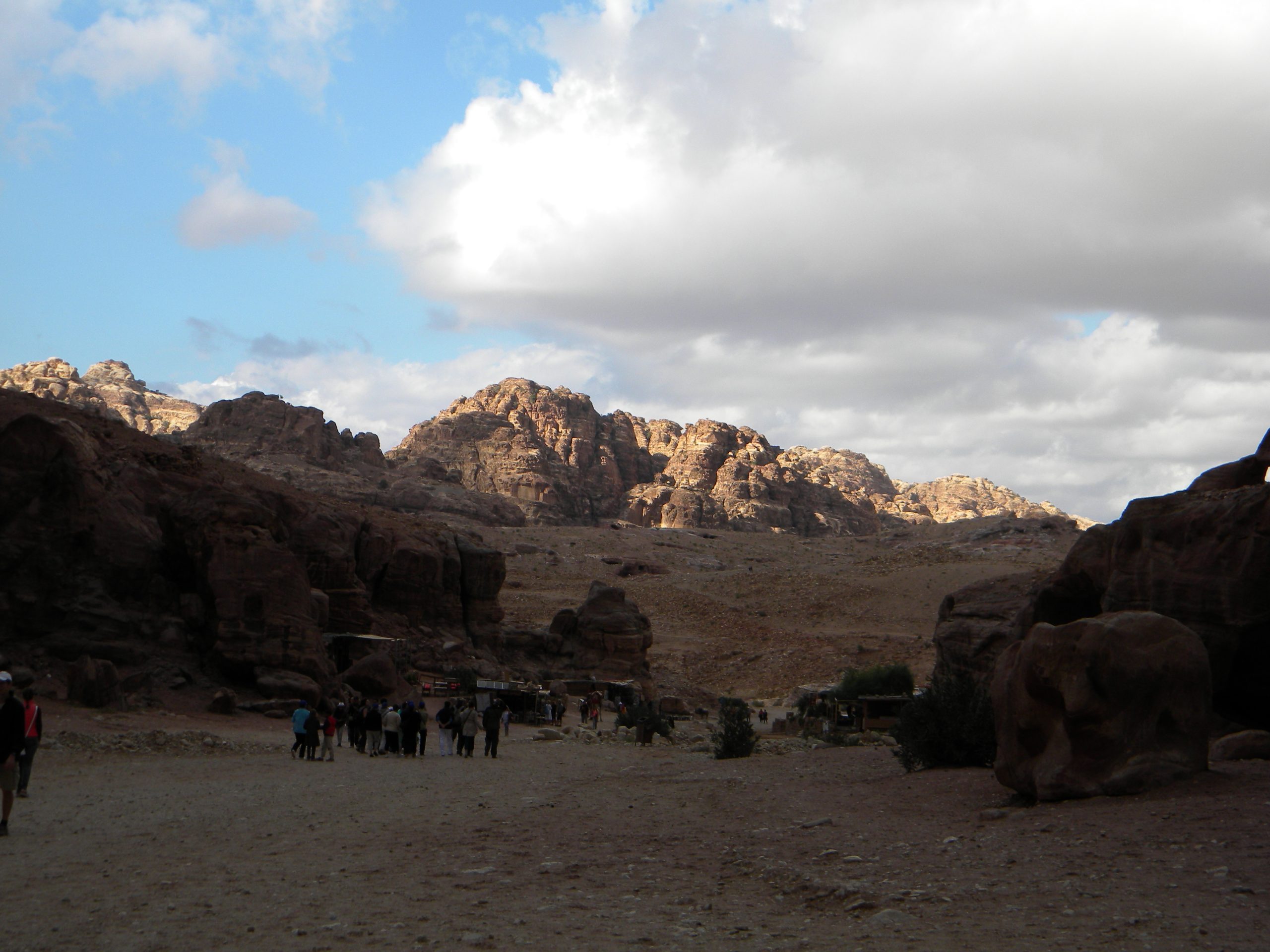

Petra’s carved facades are compelling, but they are only part of the city’s story. A visit becomes more revealing when the questions shift from what looks magnificent to how a settlement worked. Where did water come from? What connected the city to distant places? How did rock become both a building material and an architectural language?
A crossroads in a demanding landscape
UNESCO identifies Petra as a Nabataean caravan city linking Arabia, Egypt and Syria-Phoenicia. Its architecture combines building with carving into the rock, while its water-management systems helped sustain settlement in an arid landscape. Trade and engineering therefore belong beside the famous monuments when you read the site. Explore UNESCO’s description of Petra.
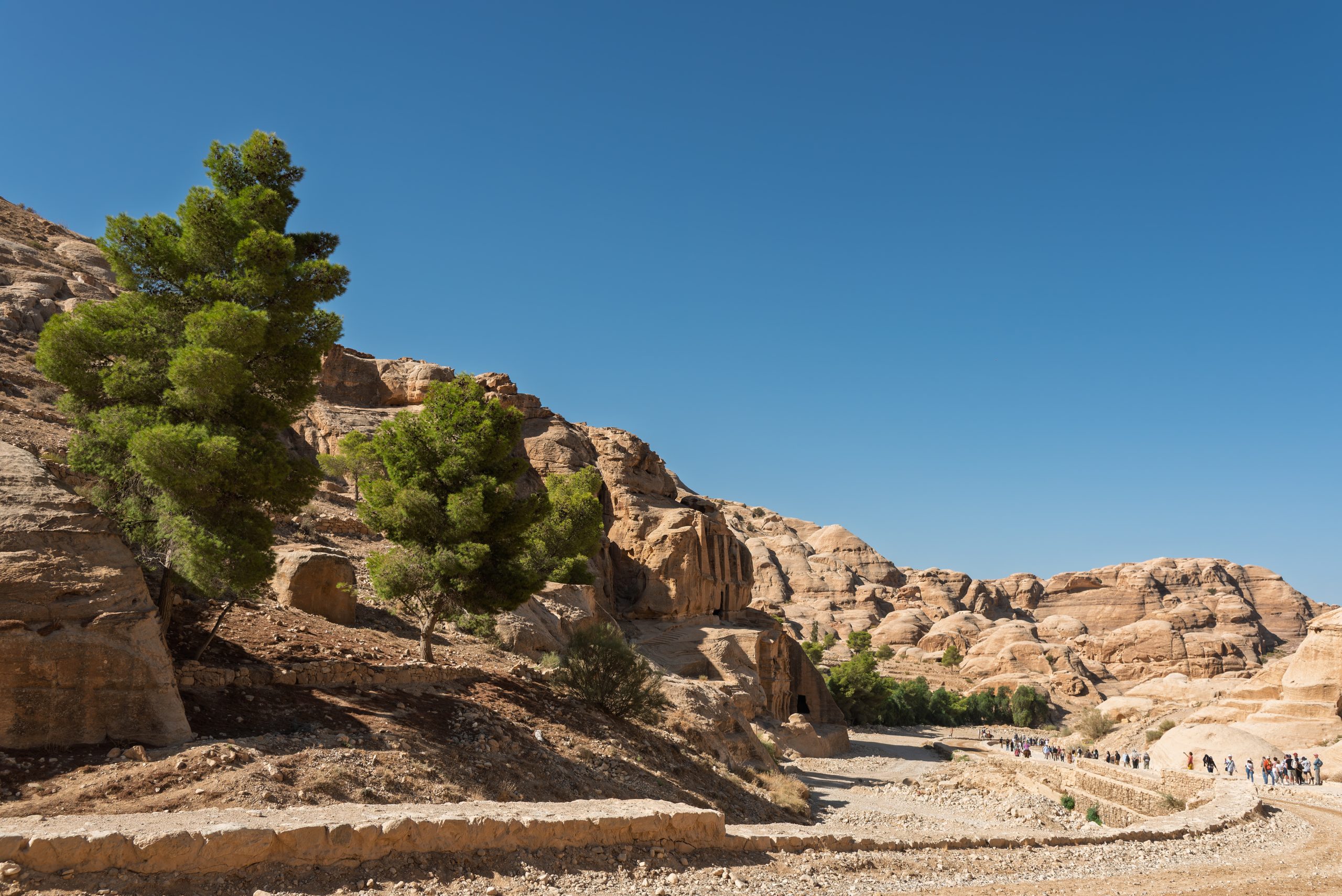
Look closely in the Siq
The approach through the Siq provides a useful lesson in observation. The Petra Development and Tourism Region Authority’s archaeological centre points to water channels along the gorge, surviving sections of paved road and carved religious niches. These quieter details turn a dramatic entrance into evidence of movement, water supply and belief. Look for them from the designated route, with a guide or the site’s interpretation to help explain what remains. Read the official account of Al Siq.
Let the Treasury open the story
The Treasury is an arrival point for the imagination, rather than the whole argument for visiting Petra. After taking in its facade, consider the differences between a carved exterior and a space cut into the cliff. How much of your interpretation comes from the name, and how much from the physical evidence? That question encourages a more careful visit to the wider archaeological landscape.
Build a visit around questions
Choose an official route that fits the time and energy you have. Ask a licensed local guide to connect visible structures with the city’s broader history. A smaller route understood well can be more rewarding than covering a long distance while losing the context. Record a few details in a notebook: a channel, a doorway, a change in stone or the relationship between a monument and its approach.
Before you go
Check current tickets, routes and site notices through Petra’s official visitor information. Allow for uneven ground, distance and weather when planning your day. Stay on permitted routes and avoid treating the carvings as climbing holds.